
Team

Sophia is a Principal Investigator at the Rowland Institute at Harvard University. She received her B.A. in Chemistry and Biology from Cornell University, where she conducted research at the chemistry-biology interface and developed a deep interest in interdisciplinary problem-solving for human health. She earned her Ph.D. in Chemistry from Stanford University as a Bio-X Graduate Fellow and launched her independent laboratory at Harvard in fall 2025. Her research investigates fundamental roles for glycans in the brain, uncovering how these complex sugar molecules regulate brain barrier function and can be harnessed to improve brain health in aging and disease. Beyond the lab, Sophia is passionate about running, casual biohacking, being in nature, and learning new things.
Sophia M. Shi, Principal Investigator
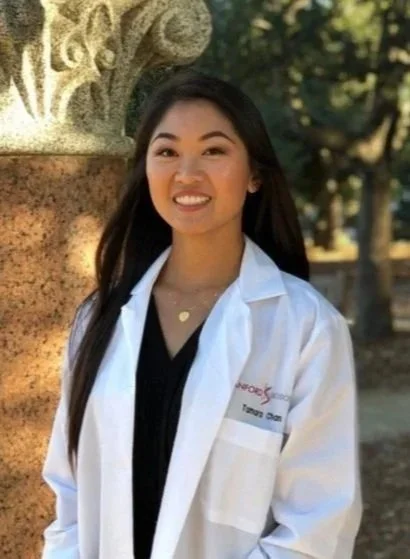
Tamara received her B.S. in Neuroscience & Physiology, as well as her M.S. in Biological Sciences at University of California San Diego, where she conducted research under Dr. Richard Daneman on how neuronal activity regulates endothelial circadian clock genes, which in turn, regulate blood-brain barrier properties. She earned her Ph.D. in Dr. Marius Wernig’s lab at Stanford University as a Stanford Interdisciplinary Graduate Fellow, where she combined techniques of chemical proximity labeling, mass spectrometry proteomics, high content imaging and analysis, and genetics to discover molecules that regulate microglial tiling. As a postdoc in the Shi lab, Tamara is excited to dive back into blood-brain barrier biology, but through the lens of how glycosylation changes at the blood-brain barrier affect Alzheimer’s Disease progression. Beyond the lab, Tamara enjoys nature documentaries, lifting weights, playing board games, and sewing.
Tamara Chan, Postdoctoral Fellow

Ikshu Pandey, Post-baccalaureate Researcher
Ikshu earned a B.S. in Materials Science & Engineering and a B.S. in Neuroscience from Johns Hopkins University in 2024. Her undergraduate thesis focused on studying dysfunctions in the blood-brain barrier due to Alzheimer's Disease mutations. After graduation, she spent one year in Switzerland as a Fulbright Research fellow and expanded her research on brain barriers to study disease-induced dysregulations from a neuroinflammatory perspective. As a post-baccalaureate researcher in the Shi Lab, she is excited to integrate these experiences to characterize the role that glycans play at these fluid-brain interfaces. Ikshu is particularly interested in studying the choroid plexus and assessing changes to glycosylation in Alzheimer's Disease or other neurodegenerative conditions.
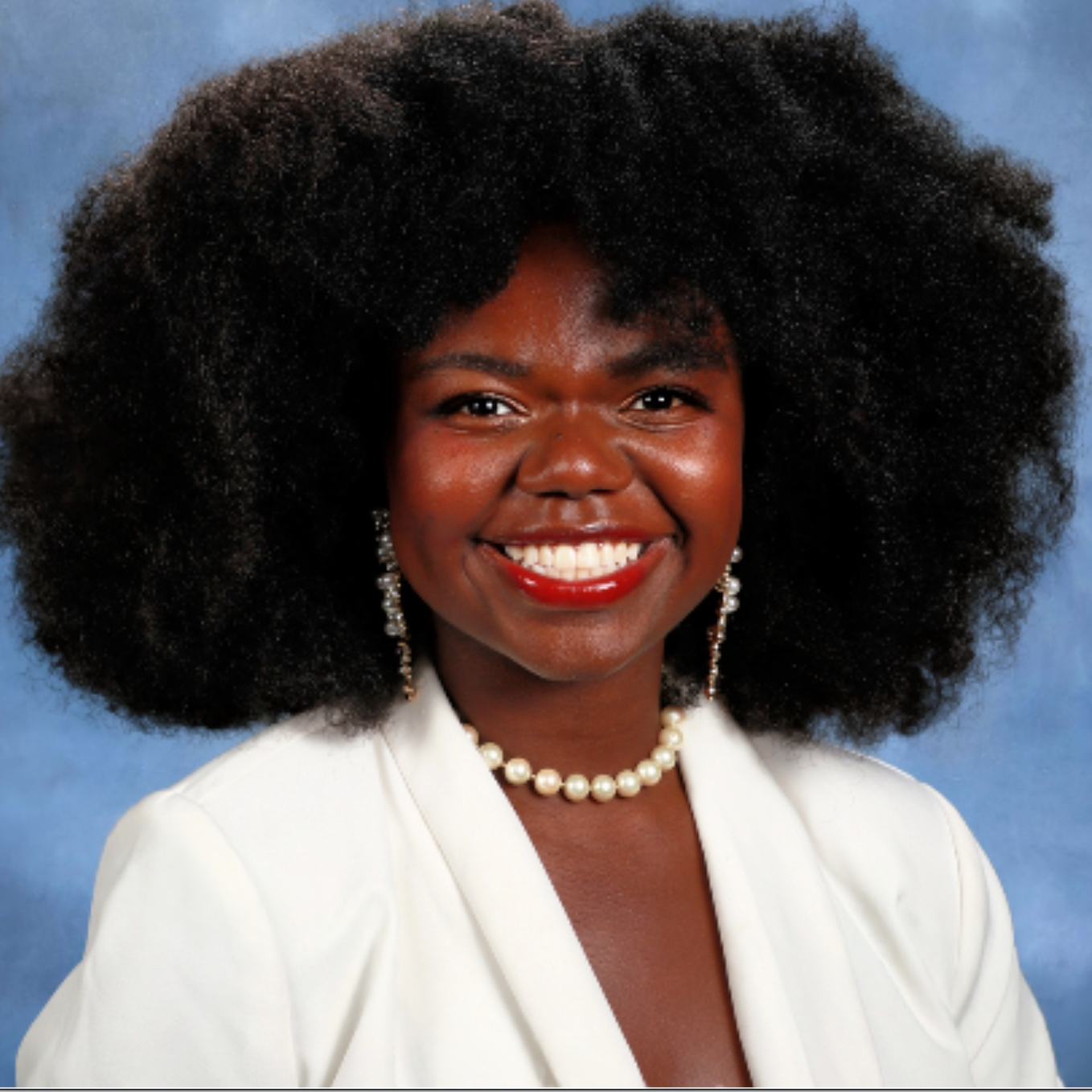
Onovughakpor Otitigbe, Post-baccalaureate Researcher
Onovughakpor Otitigbe-Dangerfield earned a B.A. in Biomedical Engineering and History of Science, along with an M.S. in Engineering Sciences from Harvard University in 2025. Her previous research spanned wet lab research into the mechanobiological properties of the endothelial glycocalyx in triple negative breast cancer to robotics and medical device design for neurodegenerative disease. As a post-baccalaureate researcher in the Shi Lab, she is excited to intersect her neuroscientific and chemical engineering background to investigate the role of glycosylation in the development of Alzheimer's disease.

Hanah is studying Neuroscience and Comparative Literature at Harvard College, where she also competes on the Varsity Sailing Team. As a summer researcher in the Thomas Südhof Lab at Stanford University, her work focused on the molecular logic of synapse formation to better understand how disruptions in synaptic connectivity contribute to neurodegeneration. In the Shi Lab, she is interested in harnessing glycans at the blood–brain interface to facilitate the delivery of therapeutics into the brain, with the goal of improving treatment strategies for Alzheimer’s and neurodegenerative disorders. Her commitment to this work stems from her volunteer experience at an Alzheimer’s clinic in Spain, where she witnessed the urgent need for more effective therapies. Outside the lab, she enjoys boxing, writing comedy, and trying new things.
Hanah Youn, Undergraduate Student
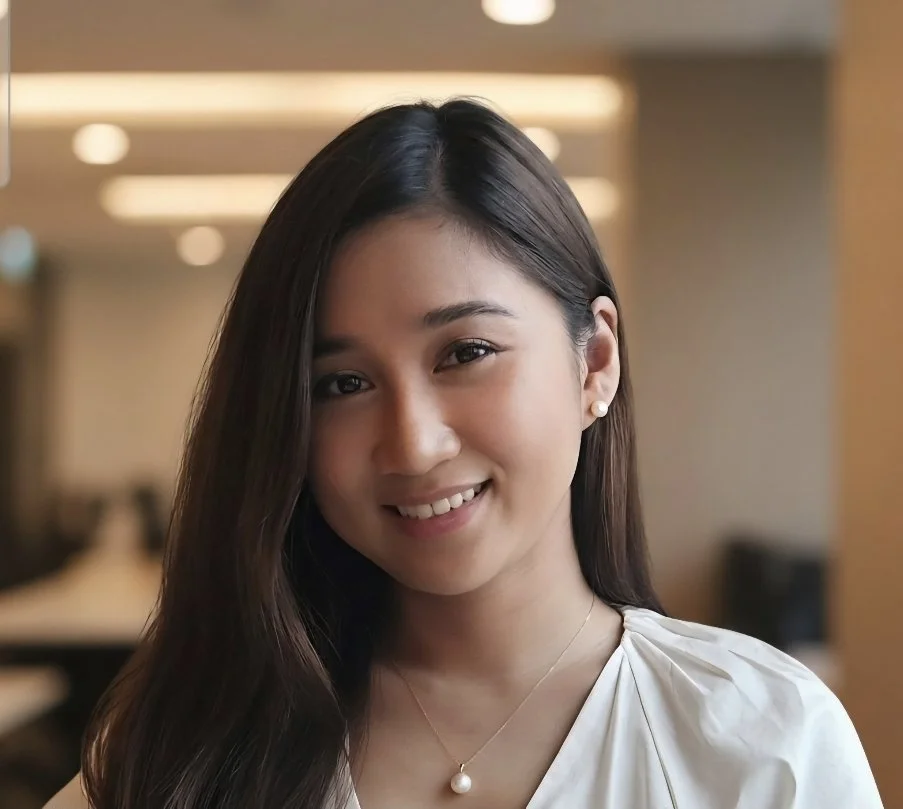
Anji Tuyeras, Graduate Rotation Student
Anji is pursuing a Ph.D. at Harvard Medical School in the Biological and Biomedical Sciences (BBS) program. Her prior research focused on tau and amyloid-β pathology, neuroinflammation, and risk factors underlying Alzheimer’s disease. She is currently rotating in the Shi Lab investigating the roles of glycans in neuro-immune interactions. As a graduate student and National Science Foundation (NSF) Graduate Research Fellow, she aims to continue studying mechanisms in aging and neurodegeneration, integrating molecular, cellular, and systems-level approaches.
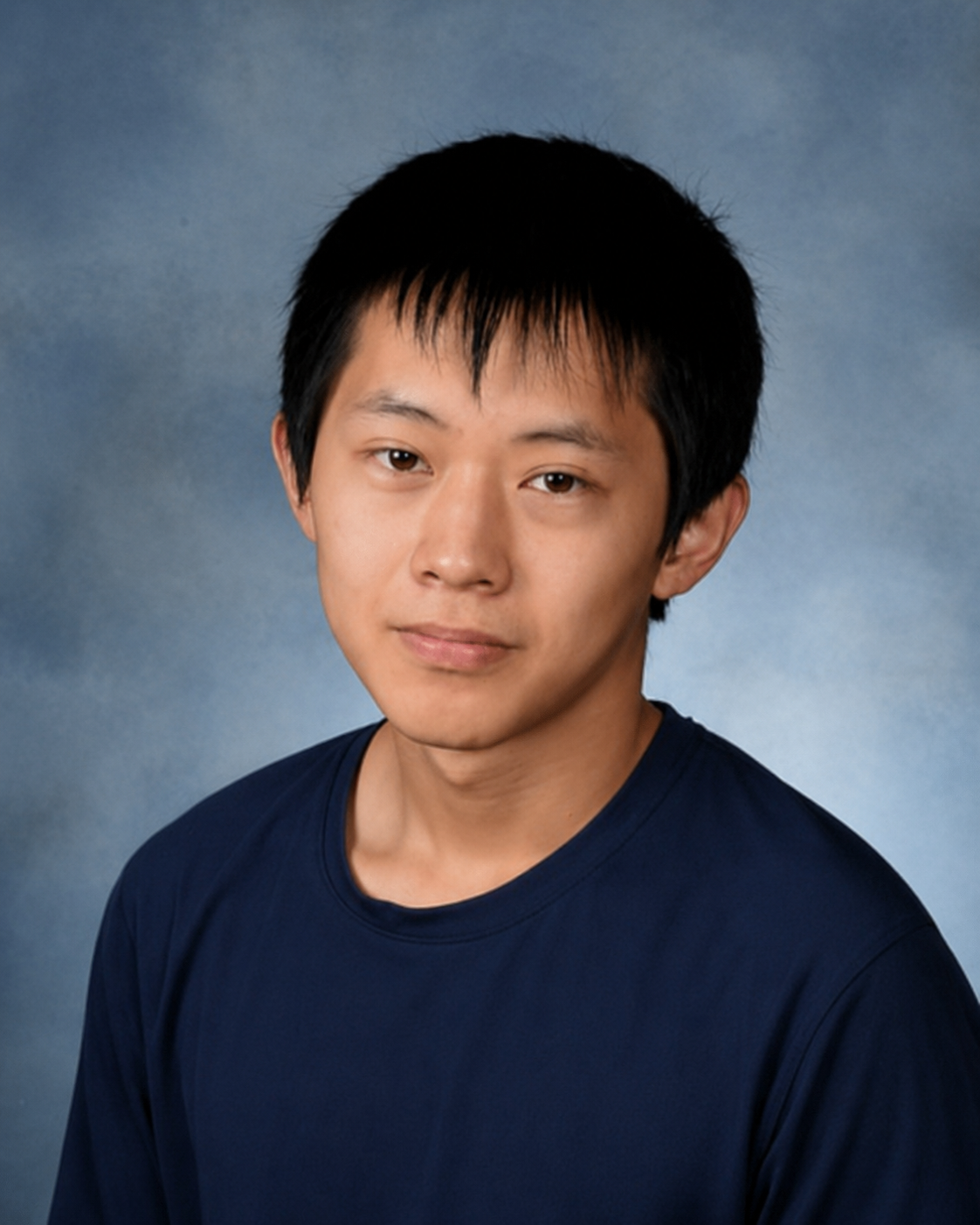
Jackson is a rising senior at Lexington High School. He has a deep passion for biology and healthcare, qualifying as a USABO semifinalist and for the International Medicine and Disease Olympiad. He spent the previous summer as an intern in the pathology lab at Lahey Hospital, gaining exposure to diagnostic processes involving cell and tissue samples. As an intern in the Shi Lab, he is excited to apply new histological techniques to characterize novel brain shuttle modalities. Outside the lab, Jackson competes on his school’s varsity swim and track & field team and, in his free time, enjoys discovering new music.